
Help
On inadequacy, and showing up anyway

Family descended on us when Daddy died. Overnight, the rhythm of our life transformed. The house was a chorus of voices, people hugging each other, crying. For a while we were spared the unbearable, echoing silence of Daddy’s absence. When the last family member departed, overwhelming grief rushed in. Loneliness engulfed me. Neighbors brought meals, and that helped a little I think, but nothing filled the emptiness.
About six months later, a little white cat with black spots came to visit. He was in the driveway when I went out to the garage for one reason or another. He didn’t bolt. I spoke softly, urging him closer. He meowed, but kept his distance.
I thought he might be hungry, so I snuck into the kitchen and stole a can of tuna. I put some on a small plate and offered it to him. To my delight, the little cat gobbled it down and, afterward, started purring.
A thief was born. I’d steal cans of tuna, bits of chicken off a roast, anything I could get my hands on to feed this creature in need of help. I started spending more time in the garage, laying on my back on the still warm hood of my mother’s car. The cat, who I named Tigger, would join me up there, softly purring, and eventually laying on my body.
I was a sad twelve year old. Daddy’s death had ripped me open, exposing an inconsolable grief. I didn’t have words for what I was feeling, and no one with whom to share the pain. Tigger became my source of comfort. I imagined he knew a thing or two about grief, and offered to help me manage mine.
Stealing food from the kitchen wasn’t easy, and over time, I had fewer and fewer options to avoid detection. I was desperate to keep Tigger fed. I couldn’t bear the idea of him leaving me to find someone else to feed him.
I knew I had to confess my treachery to Mom. It was a huge risk. My brother was very allergic to lots of things, and I worried she would take Tigger straight to the pound. I screwed up my courage and told her what I’d been up to.
To my surprise and delight, Mom had a confession of her own. “I’ve been putting out milk for him. He’s such a sweet cat, and he needs our help.” And that’s how Tigger joined our grief stricken family and helped mend the tear in my heart.
Help is how we survive. Help is how we knit ourselves together. But when awful things happen, we don’t always know what to do. I haven’t always known how to help.
My dear friend, Kim, was a brand new mother when she was injured in a car accident twenty-three years ago. She very nearly died. Her spinal cord was severely damaged and she’s been largely confined to a wheelchair ever since. Kim is a very strong woman.
When she was finally stable enough to be airlifted back to California, she moved into a rehab hospital fifty miles away from her San Francisco home for months of grueling therapy. I sprang into action. We—her posse of friends—formed a committee. We found housing for her family. We organized meals and visits, and set a schedule of night shifts with the baby to give the grandparents a break. We packed up her San Francisco home. We made all sorts of plans.
On my first visit to the rehab hospital—the first time I saw my friend who almost died, a mother whose baby had been taken from her arms—I launched into everything we had accomplished. I thought I was reassuring her. She smiled serenely, face giving nothing away. That’s how she is, gracious to a fault.
Then I said the thing that broke her. “I’ll start interviewing nannies. You’ll need one.”
I watched my beautiful friend’s beautiful face collapse. She could barely form words, but her words were very clear, “Please stop. I’m not ready for this. Please.”
At that moment, my offer of help was nothing but another massive loss. Another reminder of what had been taken. Another decision she hadn’t asked for and didn’t want to face.
Help can be unhelpful. Help can be harmful. Best intentions can overwhelm. Efficiency in action can miss the human being entirely.
I think everyone wants to be helpful, but it’s hard to know when to move, when to wait, and when the most helpful thing we can do is sit down and say nothing at all.
This month, it’s been five years since I received a diagnosis that changed the trajectory of my life. Cancer has taught me a lot about help.
I have never been good at asking for help, but multiple myeloma created an imperative. As I made those calls to the people I love, the people who love me, I wasn’t in control. I wasn’t optimistic. I just dropped the bomb and watched, or listened to, the impact. Gasps, sobs, wails, and the worst of all, silence. I knew I was delivering information that caused pain. I felt like a disappointment—helpless and alone.
But help showed up. On the day of my stem cell transplant, Kim arrived just in time to hold my hand while I puked into the emesis basin. She purred quiet words of encouragement in my ear. I was drowning, but not alone.
Not all the offers of help were skillful, but every single one was an expression of love.
Myeloma brought me to my knees last year, and a dear friend offered to coordinate my care and serve as my voice when words failed me. People showed up. Some sent loving cards, messages, gifts and books that said I can’t stop your pain, but I care. I am here. I melted into the arms of loved ones. I unburdened myself. I celebrated milestones, and walked side by side when I couldn’t walk alone.
My daughters crawled in bed with me, trying to make it all normal. My husband ferried me back and forth to appointments, infusions, biopsies—again and again. There were times we couldn’t locate him, times he’d arrive flustered, and complain about the parking garage. I thought he was annoyed, done with this fucking cancer. I didn’t know what was happening to his brain. Oh, God, I wish I knew.
None of this was loud. Help was quiet.
Now I am staring down a road that ends with my husband’s brain fragmenting until there is nothing left of him. What helps now? I just don’t know.
Most of what needs doing, I have to do myself. That’s okay. Some of the help we will need is still in the future. Like offering to hire a nanny for a heartbroken new mother, some offers of help arrive before we are ready to receive them.
Some help helps. Some help doesn’t. But I understand now that help is love. Help binds us together and makes the unbearable bearable. It’s not a recipe or a formula. It’s an offering, a cat purring on a twelve year old’s belly, telling his new friend, I’m here.
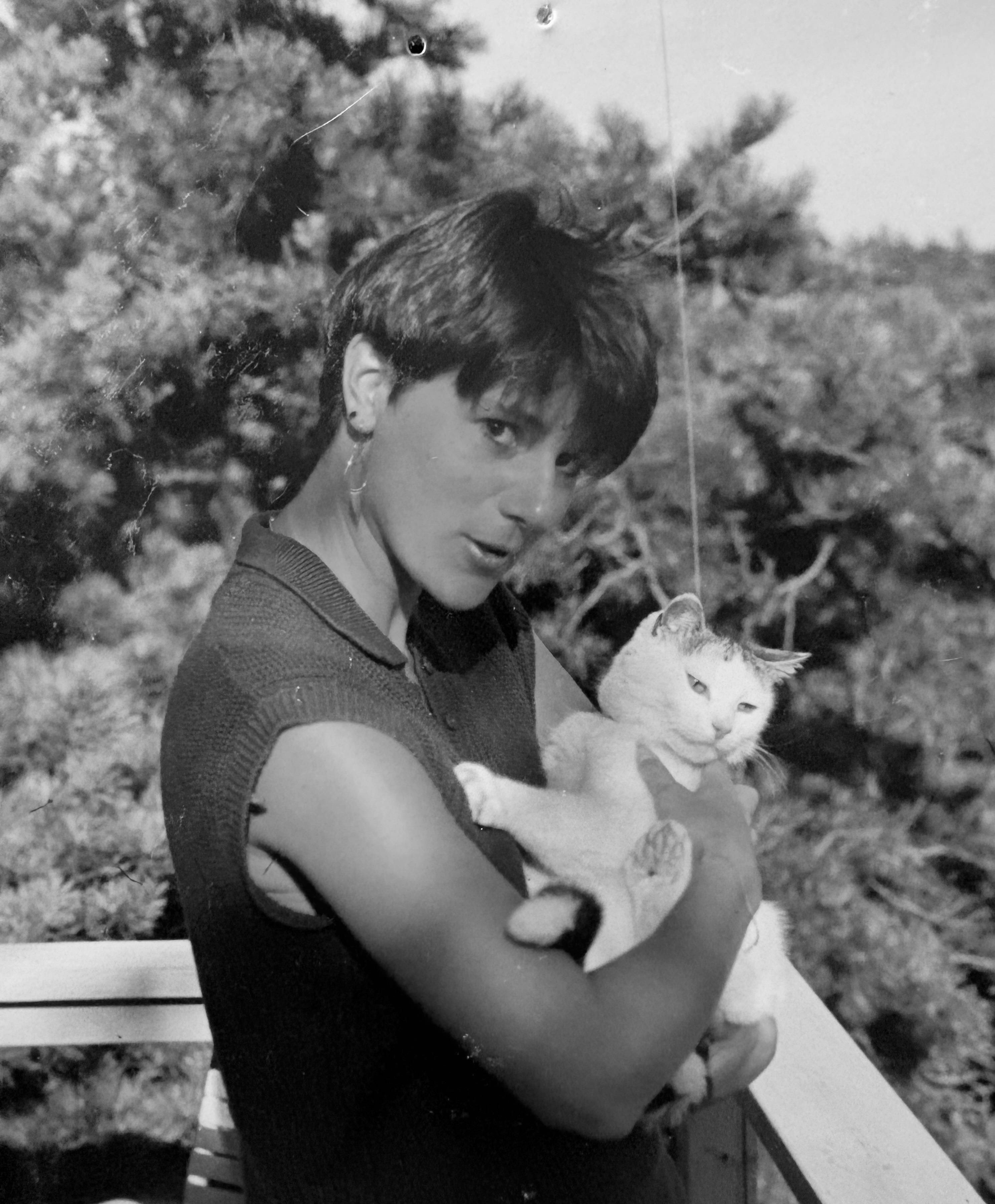
Hugs to you, dear Coach. What a dark road. But you shine a light to everyone coming behind you. Love the picture of young Elizabeth. Fierce!
'Not all help is skiillful but it is all love.' I feel that intensely right not with my mom's slipping memory. Sending love for your journey with your husband. You've mobilized so many with your journey.